Studies showing that hormone replacement therapy can raise the risk of heart disease, cancer and blood clots have knocked U.S. prescriptions for the drugs back to where they were nine years ago, according to a report in this week's issue of the Journal of the American Medical Association.
This suggests that doctors "may rapidly abandon well-established therapies when studies demonstrate harm" and that "patients also played a major role" in the reversal, Stanford University School of Medicine researchers noted.
The authors found that the number of hormone therapy prescriptions rose to 90 million in 1999 from 58 million in 1995 and remained stable through June 2002. Estrogen/progestin combinations, primarily Wyeth's Prempro, accounted for most of the growth.
Study findings released starting in July 2002 triggered an avalanche of bad news about the therapy, and a sharp drop in prescriptions followed.
If prescription rates seen through July 2003 continue, the report said, there were probably 57 million written last year, close to the rate in 1995.
The U.S. Food and Drug Administration recommends that post-menopausal women who take hormone therapy for hot flashes or vaginal dryness use the lowest possible dose for the shortest possible time.
SOURCE: Journal of the American Medical Association, January 7, 2003.
Articoli Correlati

Ultimi Articoli

Milano Teatro City, dal 15 al 18 ottobre la prima edizione della maratona teatrale in città
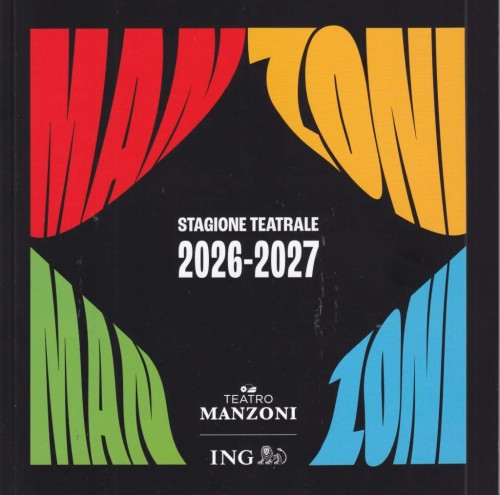
TEATRO MANZONI, LA NUOVA STAGIONE ACCENDE MILANO: OLTRE 220 SIPARI TRA GRANDI NOMI, COMICITÀ, MUSICA E FAMIGLIE

Forum del giornalismo musicale, undicesima edizione a Faenza con Lamante e Federico Guglielmi

Milano Fashion Week donna, al via dal 22 settembre: 203 appuntamenti tra sfilate, mostre ed eventi

Monferr’Autore Festival, tre appuntamenti ad Alessandria e Castelletto Monferrato

Bambina di due anni deceduta al Buzzi di Milano: istituita una commissione di verifica

Monferr'Autore, piazza Mazzini canta Guccini: in 300. Al contest vincono i Bailenga

LA RIVOLUZIONE È SERVITA!

Carpooling a Milano: sosta gratuita in cinque parcheggi ATM con l’app BePooler