Brazilian President Luiz Inacio "Lula" da Silva, has arrived in Africa at the start of a week-long visit.
The five-nation tour - which began in the archipelago of Sao Tome and Principe and then Angola - will end in South Africa.
Brazil has strong historical ties with the African continent - nearly half of all Brazilians trace their ancestry to black slaves imported during the colonial era.
President da Silva, usually known simply as Lula, wants to build a partnership to fight hunger and poverty.
Deep bonds
Just walking down the street in the centre of Sao Paulo you can't help but notice the incredible African influence on this country.
It's everywhere - whether it's the samba music blaring out of the record shops, the food that's on sale in the markets or, above all, the incredible racial diversity of the Brazilian people.
The links between Brazil and Africa are all around you.
"It was black people like me who built Brazil," a trumpeter in a street band told me.
He said the Portuguese came here with millions of slaves so of course the bond with Africa is strong.
However, some people angry about the President Lula's Africa trip.
"Lula promised lots of things but he's done nothing," he says.
"There are people starving and homeless in Brazil - he should be sorting out things here."
'Common identity'
Speaking before his departure, Lula acknowledged what he called Brazil’s historic debt to Africa - a reference to the four million black slaves who were brought here by the Portuguese.
The president said he was proud that Brazil had the second largest black population of any country on earth. Nigeria has the largest.
"After decades and even centuries of turning our backs to Africa, we feel that we have the conditions now to feel together with the Africans our common identity," says Pedro Motta, a senior Brazilian diplomat in charge of relations with Africa.
Mr Motta says that Brazil will honour its historic debt by funding health and education projects and by sharing expertise in the fight against HIV/Aids.
http://news.bbc.co.uk/1/hi/world/africa/3238979.st...

Ultimi Articoli

Strapazzami di coccole Topo Gigio il Musical: una fiaba che parla al cuore

Goldoni al Teatro San Babila di Milano con La Locandiera
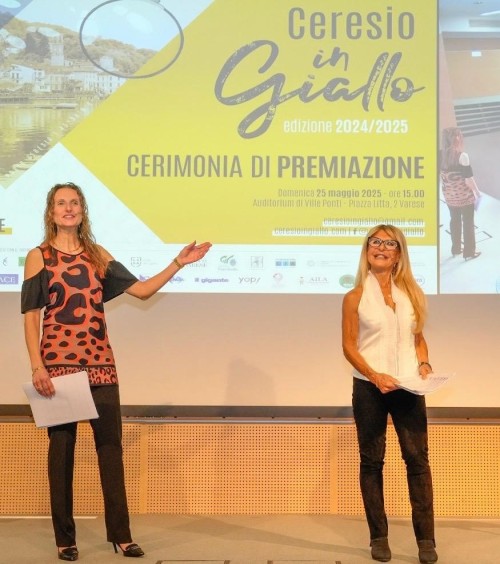
Ceresio in Giallo chiude con 637 opere: giallo, thriller e noir dall'Italia all'estero
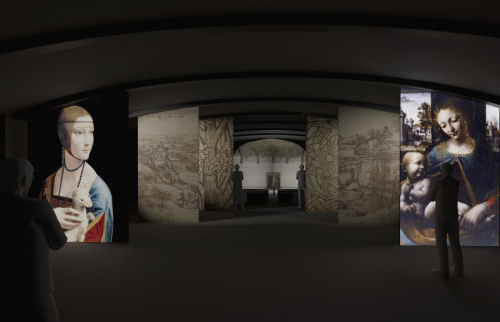
Milano celebra Leonardo — al Castello Sforzesco tre iniziative speciali per le Olimpiadi 2026

Trasporto ferroviario lombardo: 780.000 corse e 205 milioni di passeggeri nel 2025
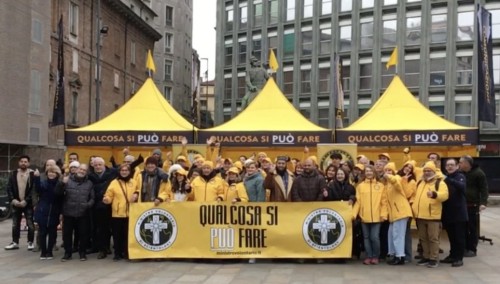
Piazza Missori accoglie la Tenda Gialla – Tre giorni di volontariato under zero con i Ministri di Scientology

Neve in pianura tra venerdì 23 e domenica 25 gennaio — cosa è realmente atteso al Nord Italia
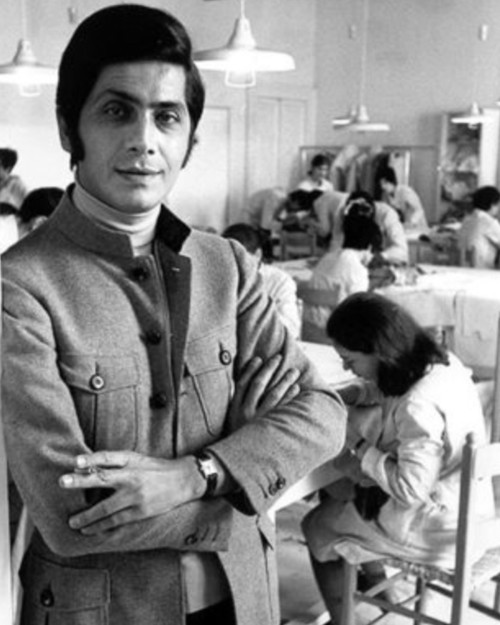
Se ne va Valentino, l'ultimo imperatore della moda mondiale
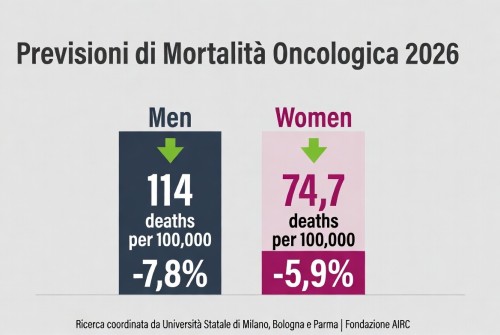
La mortalità per cancro cala in Europa – tassi in diminuzione nel 2026, ma persistono disparità