Sierra Leone marked an important day today in its path toward peace, following a decade of civil war (1991-2001).
Today the United Nations international peace contingent handed security over to local forces. In a ceremony at the State House of the Sierra Leonean capital of Freetown, defined “symbolic and solemn” by the UNAMSIL (UN peace mission in Sierra Leone), the UN flag was lowered for the last time, completing the security hand-over between the peacekeepers, sent by the international community, to the Sierra Leonean police. This was the latest step in the gradual withdrawal of the mission that for five years has ensured stability in Sierra Leone and that for a certain period counted 17,000 solders; today some 8,000 remain.
Following the demobilisation from the north, the south and east, withdrawal was also completed from the western sectors, capital included. In speaking of an important ’milestone’, the nation’s Vice-President Solomon Berewa stated that the local security forces were “trained and approved”, giving show of confidence. Despite the positive efforts to close the chapter of a war combated particularly with the use of child-soldiers, resulting in at least 50,000 victims, thousands of mutilated and an enormous number of displaced, the UN Security Council in a recent resolution called on the government of Freetown to step up efforts to guarantee peace and stability throughout the nation. [BO]
http://www.misna.org


Ultimi Articoli
Una finestra vista lago, i romanzi di Andrea Vitali su Rai 1 dal 24 novembre
Fabbrica del Vapore, le mostre dell’inverno: da Inge Morath a Mimmo Rotella
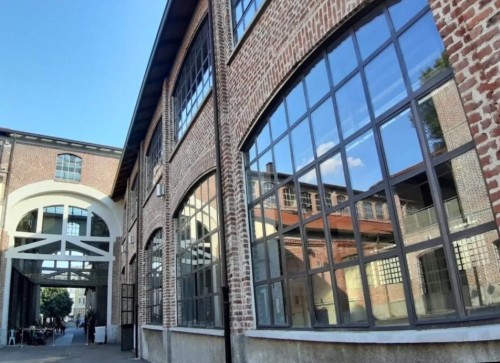
Vapore d’inverno torna a Milano: venti progetti dal vivo e mostre alla Fabbrica del Vapore
ExpoTraining 2026 a Milano: il MIM porta laboratori su scelte dopo il diploma, talenti e IA
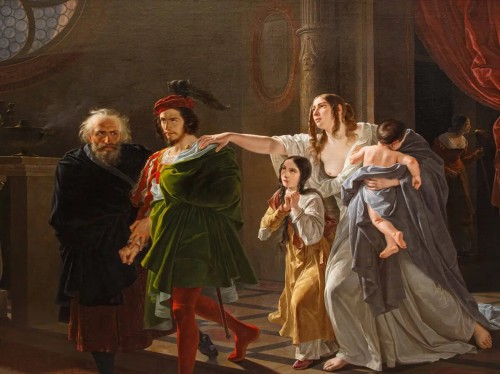
Alla GAM una nuova sala per Hayez: arriva “La congiura dei Fieschi”
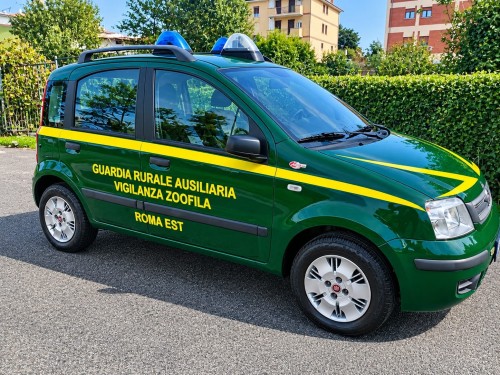
UNVS Optimum Canis e NOGRA Roma Est.

Trilogia delle Donne al Teatro Munari: tre spettacoli sui diritti e la Resistenza femminile

Harbor, l’AI locale su più Mac: cosa promette e quali limiti restano
Ucraina, il Consiglio UE approva quasi 8 miliardi: la maggiore tranche dello strumento di sostegno