The recent announcement from San Francisco has laid the groundwork for a groundbreaking shift in the Indo-Pacific region. The agreement signed by the 14 partners of the Indo-Pacific Economic Framework for Prosperity (IPEF) outlines an ambitious yet achievable path toward a cleaner, fairer, and more resilient economy.
Key Progress
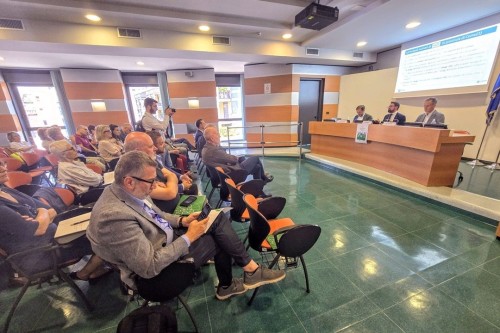
In this remarkable ministerial meeting, representatives of the 14 partner countries confirmed significant results. Three crucial agreements have been concluded: the Clean Economy Agreement, the Fair Economy Agreement, and the Framework Agreement on the Economy for Prosperity. These agreements are designed to shape the economic future of the region, currently constituting 40% of the world's GDP and 28% of global trade in goods and services.
Foundational Pillars
Pillar II focuses on the supply chain, Pillar III on the clean economy, and Pillar IV addresses the fair economy. These pillars were raised in a highly important meeting in San Francisco, marking the substantial conclusion of negotiations. Now, the 14 partners are gearing up to move forward with these agreements through internal consultations and legal reviews before signing, ratifying, and implementing.
Commitment to a Clean Economy
The Clean Economy Agreement is a milestone illustrating the joint commitment of partners toward a transition to zero-emission economies. Action areas range from energy security to greenhouse gas emissions mitigation, promoting renewable energy to energy efficiency. This agreement aims to radically transform the energy sector and promote sustainable management of natural resources.
Promoting a Fair Economy
The Fair Economy Agreement is a commitment to promoting transparency, inclusivity, and legality in the markets of the Indo-Pacific. The goal is to create a fair business environment where the fight against corruption and adherence to rules are central. In this framework, active participation of the private sector and public awareness of corruption and inequality issues are promoted.
Sustaining Ongoing Collaboration
The Framework Agreement on the Economy for Prosperity establishes a council and ministerial commission to formalize and ensure ongoing cooperation. This structure will allow for discussions and coordination on matters related to the four pillars of the IPEF, as well as exploring the entry of new members or agreements.
Outlook for the Future
These agreements not only outline a more promising future for the Indo-Pacific but also establish a concrete commitment to long-term goals. Attention now shifts to the practical implementation of these initiatives, including the creation of a financial support framework and planning key meetings to catalyze investments in sustainable infrastructure and climate technologies.
Technical Glossary:
- IPEF: Indo-Pacific Economic Framework for Prosperity
- UNCAC: United Nations Convention against Corruption
- OECD: Organization for Economic Cooperation and Development
- CBF: Capacity Building Framework
- GDP: Gross Domestic Product
#IPEF2023 #CleanEconomy #FairEconomy #RegionalSustainability #InclusiveGrowth
Important Updates:
These agreements, signed on November 15, 2023, stand as milestones for a more sustainable and fair future in the Indo-Pacific. Attention now turns to the implementation of these innovative initiatives to ensure positive and lasting change.
more info: https://www.commerce.gov