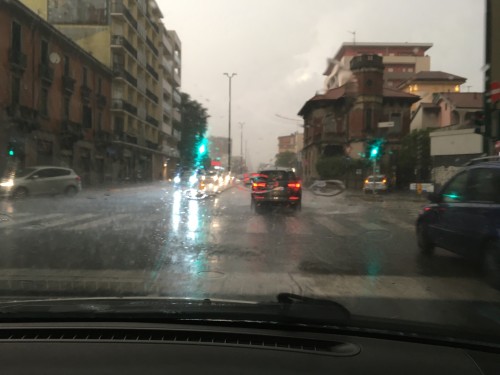
The United Kingdom is bracing for the impact of an intense weather system as Storm Babet makes its way to the region. This storm is expected to bring heavy rainfall and strong winds, significantly affecting the weather conditions. The west of the UK will experience heavy rain starting on Tuesday evening, and the rain is predicted to spread across the entire UK on Wednesday, leading to heavy downpours throughout the day.
As this rain system moves northward, it will stall over central and eastern parts of Scotland. Here, the rain is expected to become heavy and persistent from Thursday through to Saturday. A Severe Weather Warning for rain has been issued for this area, with up to 150-200 mm of rain likely to accumulate in some higher ground areas.
The Meteorological Perspective
Deputy Chief Meteorologist, Steven Keates, stated, "Storm Babet will bring impactful rain to many parts of the UK, with a particular focus on eastern Scotland, Northern Ireland, and northern England later in the week. The heavy and persistent rain will fall on already saturated ground, increasing the risk of flooding. It is essential to stay updated with warnings from your local flood warning agency as well as local authorities."
In addition to heavy rain, Storm Babet is expected to bring very strong winds and large waves along some eastern coasts. Gusts exceeding 60 mph are possible in eastern and northern Scotland from Thursday. It is likely that Met Office warnings will be updated throughout the week.
David Morgan, Flood Duty Manager for the Scottish Environment Protection Agency (SEPA), explained, "Storm Babet will bring heavy rain and high winds to Scotland from Wednesday evening, starting in the South West before moving across to the North East on Thursday and extending into the weekend.
"Effects from surface water and rivers are likely, and given that catchment areas are already saturated from recent heavy rainfall and flooding, we urge people to prepare for potential flooding. There is also concern that surface water flooding may be exacerbated by debris blocking drainage systems, culverts, etc., due to the high winds.
Preparation and Staying Informed
"Flood Alerts and Warnings will be issued as necessary, and we continue to work closely with the Met Office to monitor the situation 24/7. People can check our Flood Updates for the latest information and the three-day Scottish Flood Forecast to understand what conditions are expected in the near future.
"If you reside or work in an area that could be affected, please consider the necessary steps to prepare and stay safe, especially if you need to travel. If you have not already registered with Floodline, you can do so now to receive free updates for your location directly to your phone. Follow SEPA's social media accounts, especially @SEPAflood on X, for the latest information."
Assessing Your Flood Risk
Do you know the risk of flooding in your area? Could your property be at risk of flooding? Follow this three-step plan to check and be prepared:
- Check if your property is at risk here.
- If you are at risk, take the next two steps to protect your property when needed:
a. Prepare a flood plan.
b. Assemble an emergency flood kit.
Looking Ahead
Low pressure is expected to remain in control of the UK's weather into the beginning of the next week, with the potential for further bouts of wet and windy weather.
Stay updated with the latest forecasts on our website, follow us on Twitter and Facebook, and download our mobile app, available for iPhone from the App Store and for Android from the Google Play Store.
Glossary
- Storm Babet: Name of the storm
- Weather Alert: Meteorological warning
- Met Office: The UK's national weather service
- Flood: Inundation caused by heavy precipitation
- Flood Warning Agency: Organization providing flood risk information
- Floodline: Flood alert service
- Catchment: An area of land drained by a river or drainage system
- Culvert: Structure for collecting surface water
- Debris: Waste or discarded materials that can block drainage systems
- Low Pressure: An area of atmospheric pressure lower than the surrounding area