Since some years security issues have became the central point of awareness of the public opinion. The watershed is represented by the terrorist act of September 11.
After the tragic event of the Twin Towers, the world has begun questioning about the security.
This debate has often been focused just on one single point of view of the problem, suffering distortion and increasing the levels of the conflicts in all over the world.
The origin of this misunderstanding is how we approach security issues. Frequently, in the northern countries of the world, security has been synonymous of a military answer to the terrorism and to the organized criminality.
It's a simplistic approach that only helps avoid all the problems related to the big insecurities caused by an economic, social and environmental decay that worries the world citizens.
The annual report of "The State of the World 2005" about the Earth status, published by World Watch Institute (WWI), turns upside down this vision and puts at the same level terrorist and criminal acts as well the poverty, the lack of drinking water and the endemic diseases.
Environmental and international organizations have supported this kind of approach, since the concept of development of sustainable system has been consolidated.
The approach to the sustainability means to connect different phenomena discovering the interconnections and balancing the weight and the measures.
A world without a balanced distribution of resources and of development opportunities for a better life is an insecure world.
Without proper solutions for the Planet's big social and environmental problems, there won't be any progress. The 'military' option as a solution is not acceptable and represents a "NO solution", which avoids all the problems to postpone them in another time and in a different geographic location.
"I'm convinced that today the world is faced up to three challenges interrelated - says Mikhail Gorbaciov, Green Cross President and founder, introducing the WWI report - the security (that includes the risks related to the mass destruction weapons and to the terrorism), the poverty and the underdevelopment, and the environmental sustainability".
In a world that is more and more interrelated and globalized, the problems, suffered by the distant populations with different cultures, "travel" quickly and generate lacks of balance and insecurities also in the industrial world. For that reason it's important to commit oneself totally also on those projects that could seem far from the environmental classical approach as well as Green Cross does with the "Legacy" project for the dismantlement of the mass destruction weapons.
Elio Pacilio
Green Cross Italia Vice - President
Ultimi Articoli
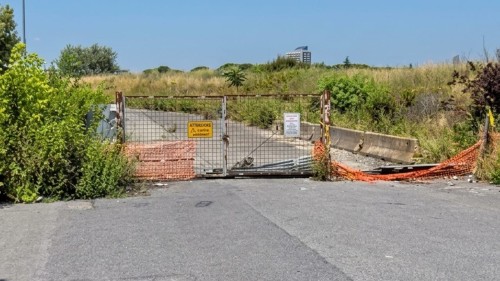
Roma, talenti, Via Antamoro, vent’anni di attesa: ma chi paga il prezzo delle promesse rimaste sulla carta?
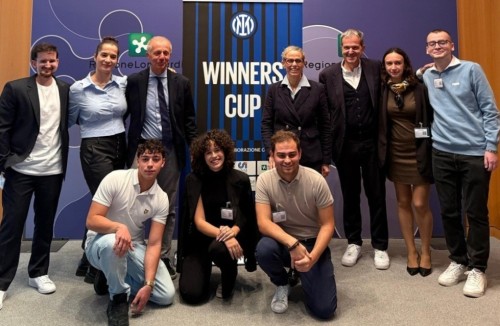
Winners Cup 2026, oltre 200 giovani pazienti oncologici in campo a Milano
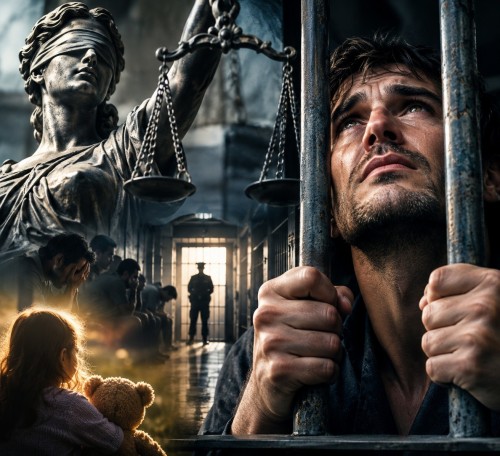
GAROFANO, IL RIS E QUELLE DOMANDE CHE IL GIORNALISMO NON PUÒ PIÙ ELUDERE.
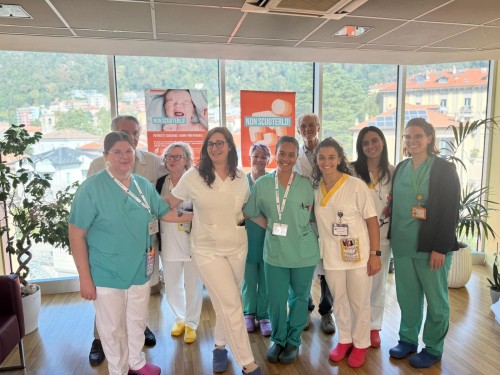
Boom di nascite all’ospedale Valduce di Como: 33 neonati in sei giorni

Milano Teatro City, dal 15 al 18 ottobre la prima edizione della maratona teatrale in città
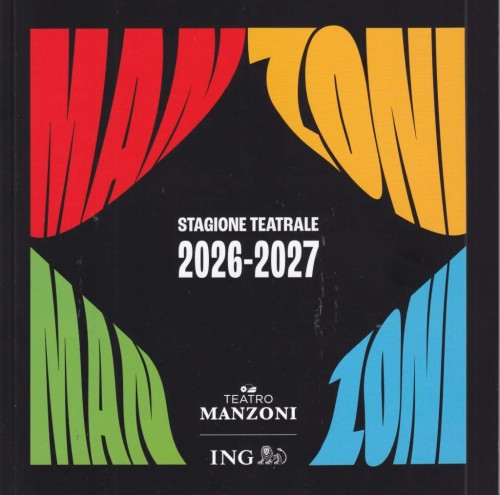
TEATRO MANZONI, LA NUOVA STAGIONE ACCENDE MILANO: OLTRE 220 SIPARI TRA GRANDI NOMI, COMICITÀ, MUSICA E FAMIGLIE

Forum del giornalismo musicale, undicesima edizione a Faenza con Lamante e Federico Guglielmi

Milano Fashion Week donna, al via dal 22 settembre: 203 appuntamenti tra sfilate, mostre ed eventi
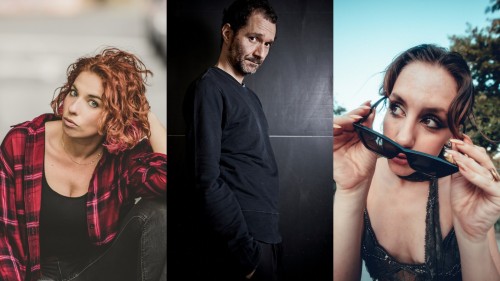
Monferr’Autore Festival, tre appuntamenti ad Alessandria e Castelletto Monferrato